This design project aims to broaden our perspective on the roles that textiles can play in enhancing experience, the functions they can perform and the experiences they can create for people and the community. The course objective is essentially to design a product for a user in context to Floor Coverings, Seating and Resting in response to the need of the user group.
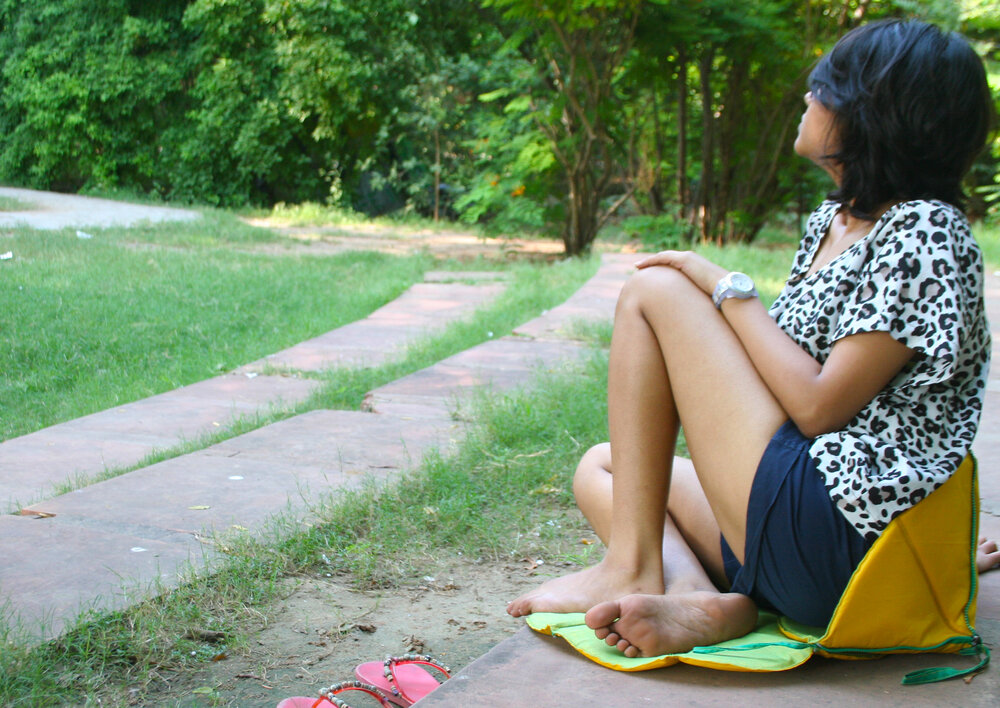
Duration:* 5 week design Project*
***Tools: ***Adobe suite, Origami, Sewing
Deliverables: Seating Solution
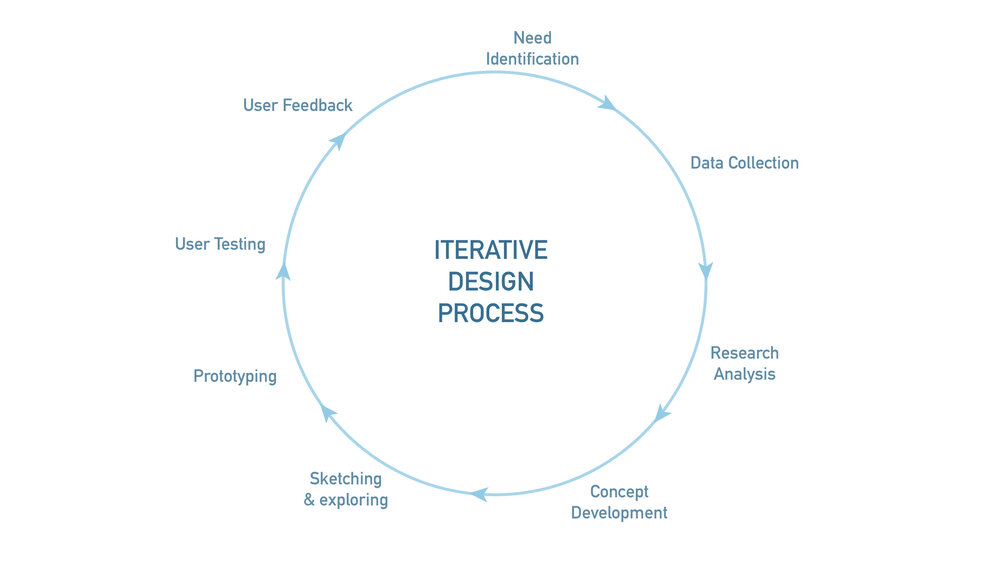
Methodology:* Iterative Process*
** **
RESEARCH & LEARN
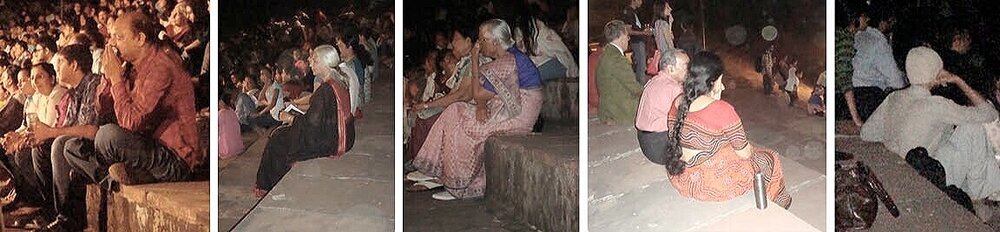
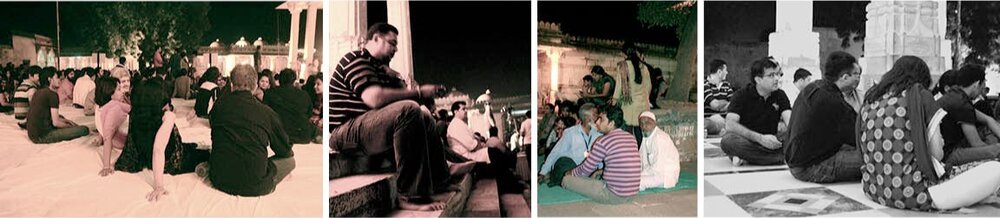
The research started with analysis of various spaces, contextual inquiry with users and identifying problems related to seating. It involved extensive field study and interviews to identify and understand the user needs.
RESEARCH
** **
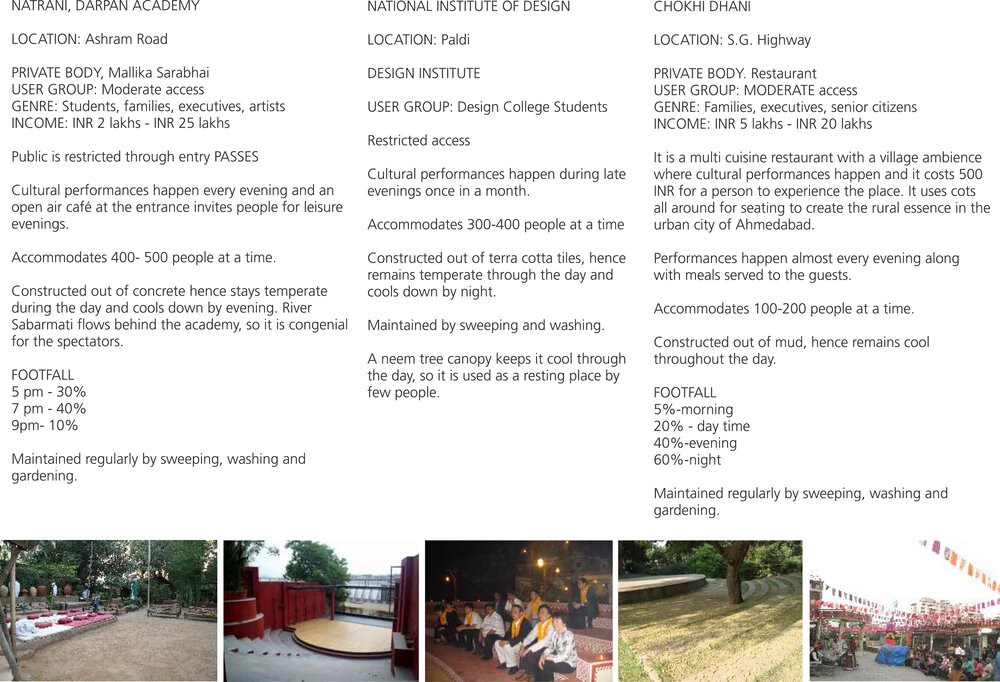
CONTEXTUAL ENQUIRY
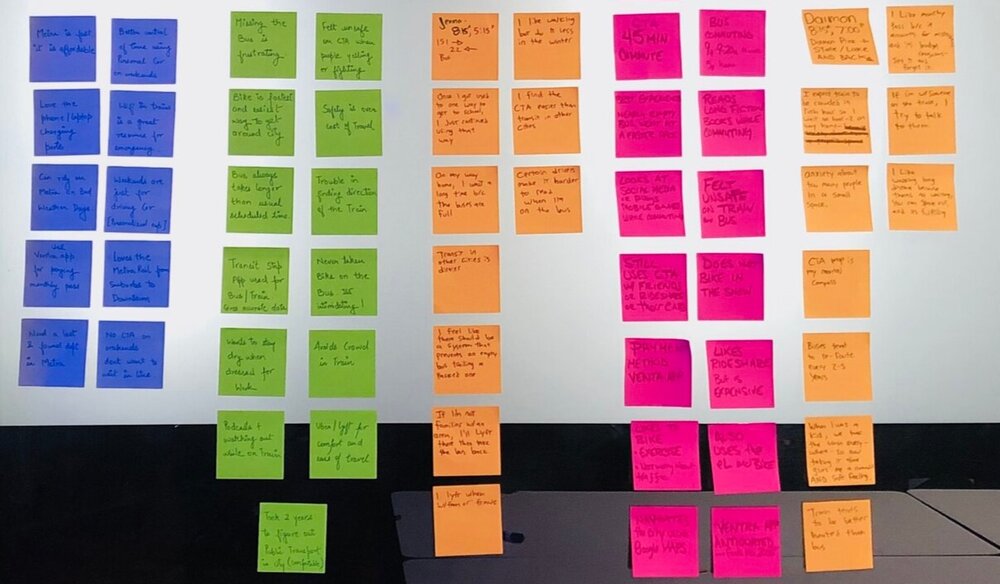
AFFINITY MAPPING
DATA SYNTHESIS
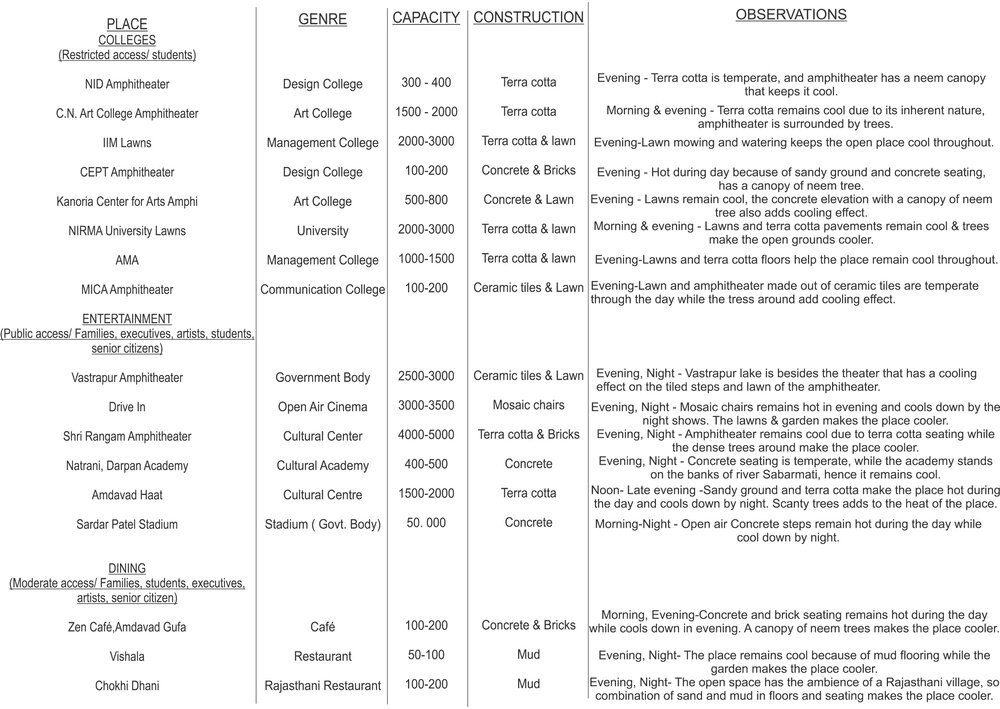
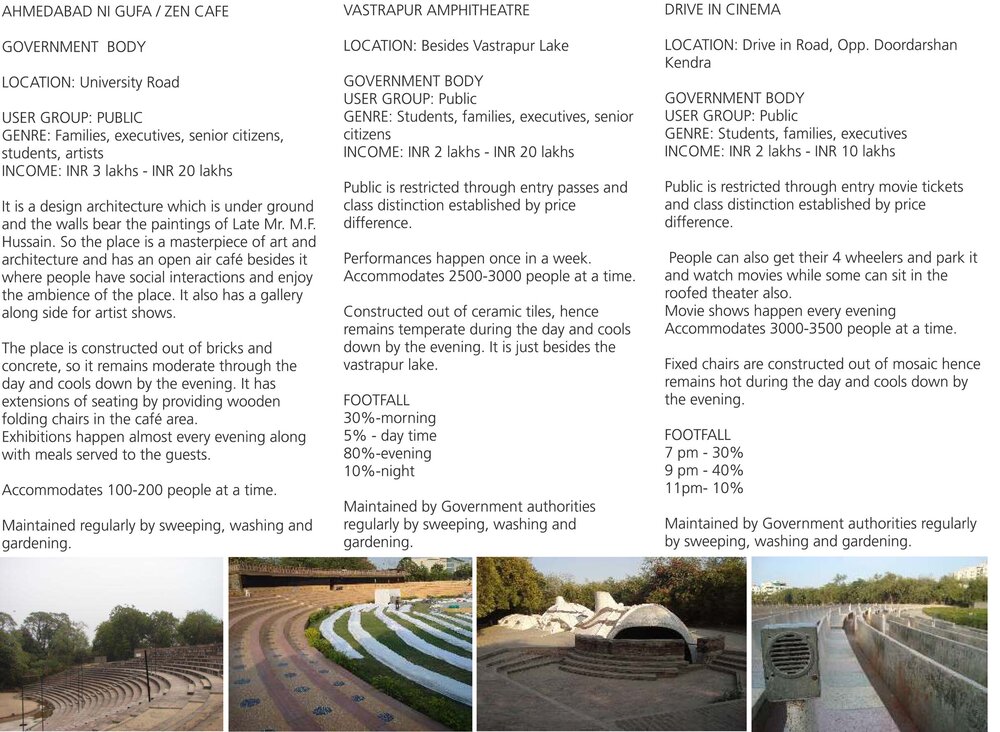
COMPETITIVE ANALYSIS
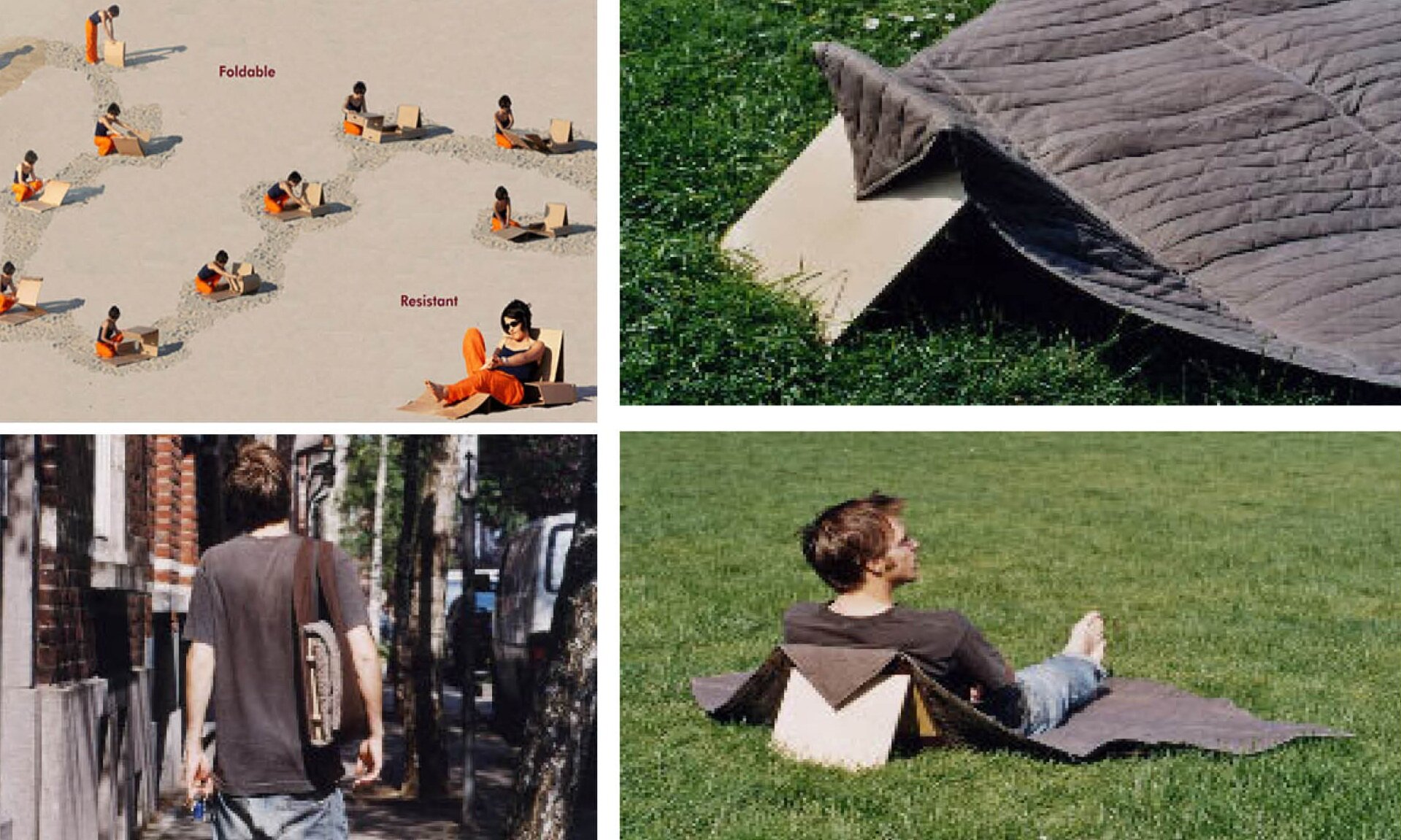
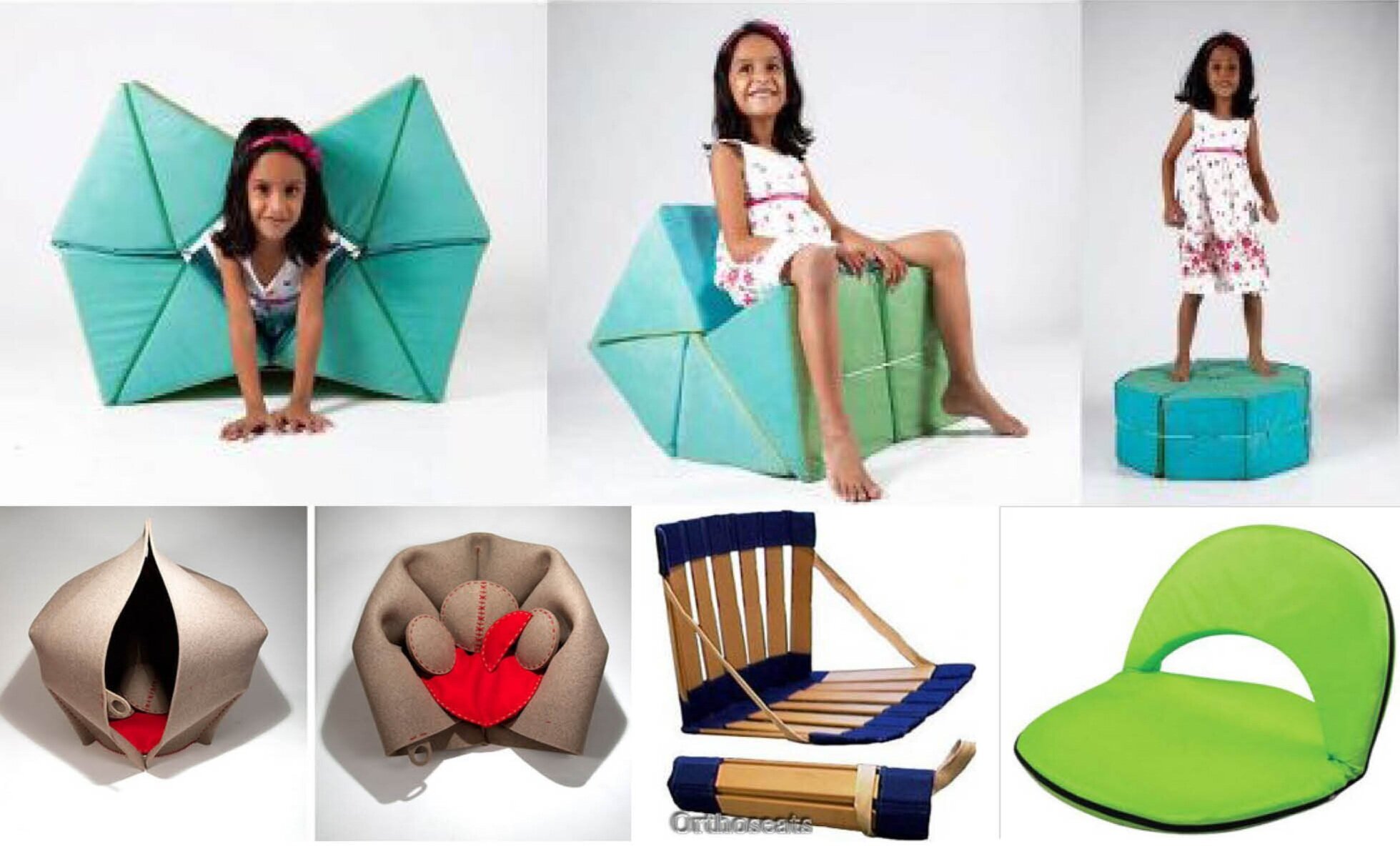
Techniques like Quilting and folding have been used to create a portable seating for different user groups . The solutions are primarily focused on user needs and materials are based in context to spaces.
** **
** **
BUILD
DEFINING PROBLEM
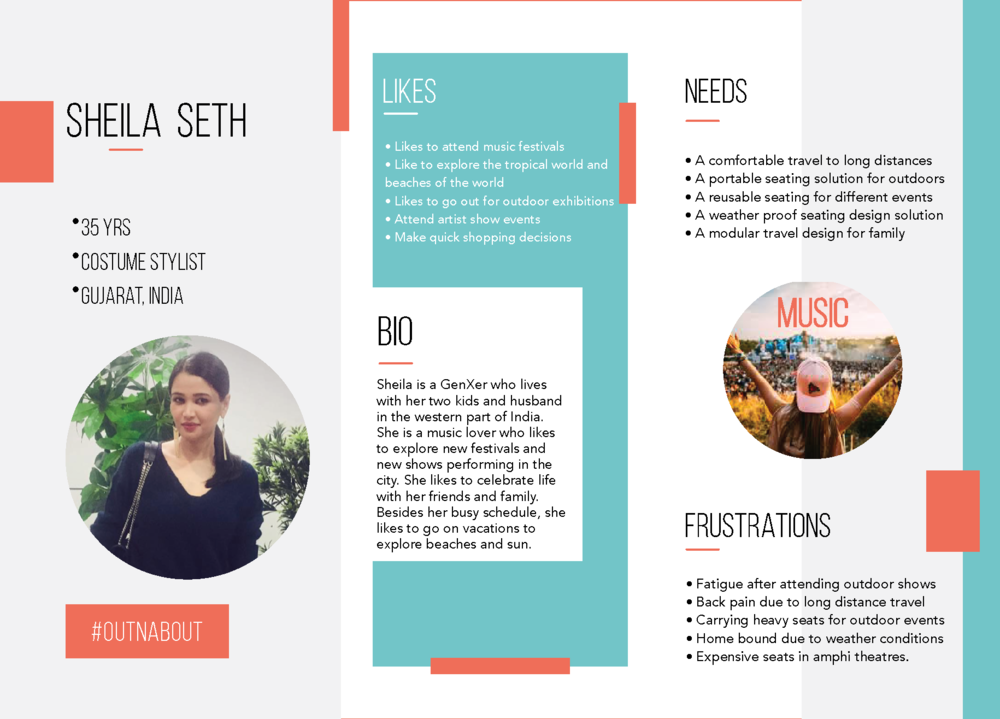
PERSONA
** **
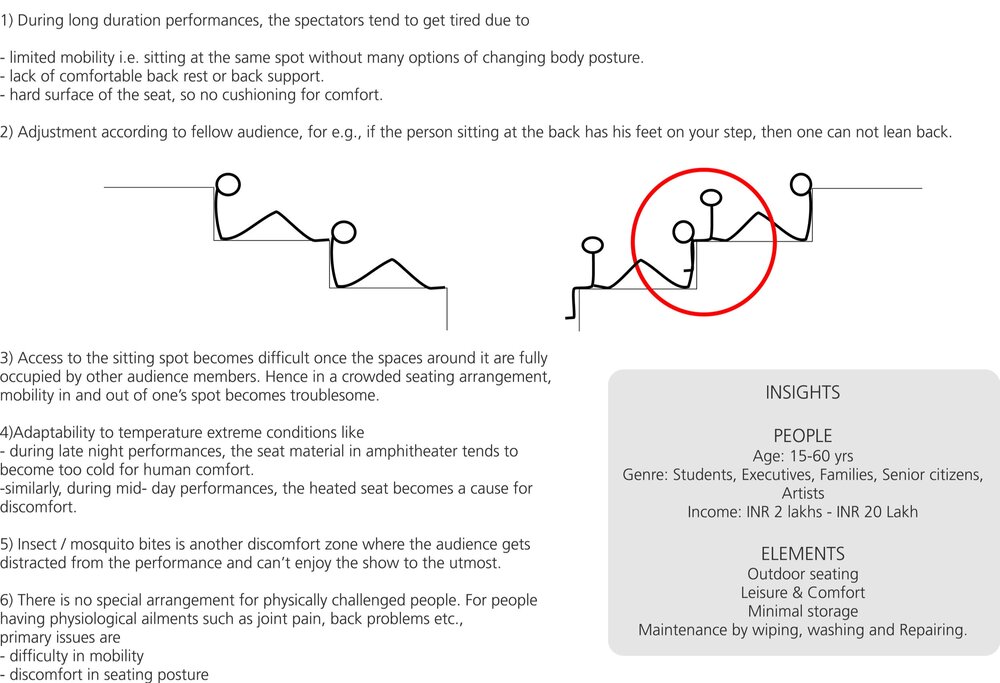
INSIGHTS
“HOW MIGHT WE design a seating solution for enhancing the experience of enjoying an outdoor performance in an amphi theatre”
IDEATION
To design modules that serve different functions such as carrying water bottle/ food packets etc., sitting or lying down can be integrated to solve the need for an outdoor seating. The modules should be portable in nature. Separate modules can be exchanged for money value or bought by the users according to their specific need during the performances or travel.
To design fixed extensions in the seating area which can be used by the audience at nay time of the day for their comfort. Keeping in mind the 2nd area of concern, which is adjustment according to fellow audience, the design will be as such that the comfort of the fellow audience is not disturbed.
To design through a synthesis of metaphorical inferences and bring in the factors to the need of users. Making the design interactive, flexible and multi- purpose is another area to discover the opportunities which could fold and collapse according to the need.
DESIGN HYPOTHESIS
A portable seating solution for outdoor spectators that enhances their experience of comfortable seating during long performances. It is a flexible, light weight, washable design for a wide range of users. A design that facilitates the comfort of user while traveling or relaxing in an outdoor space.
FLEXIBLE | INTERACTIVE | METAPHOR
SKETCHING
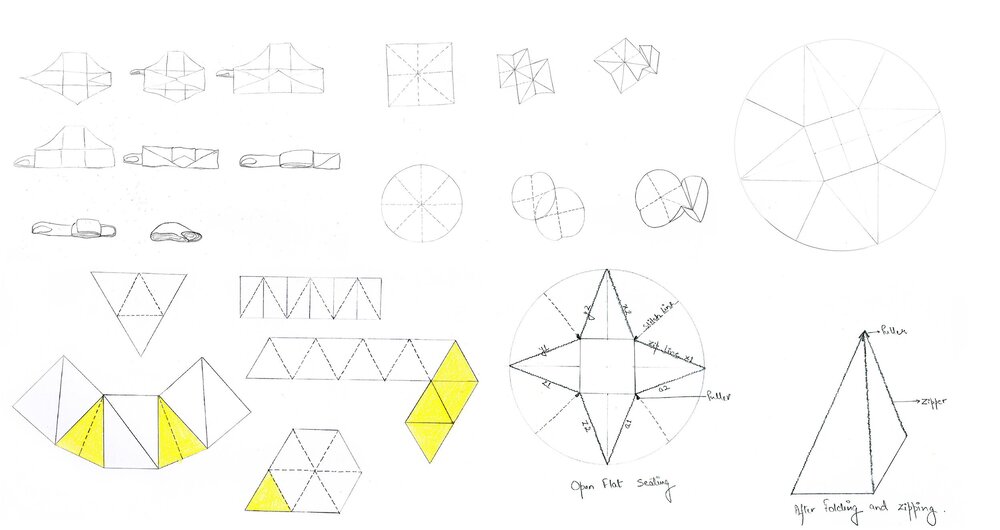
Paper folding, Isometric grid, Origami are few techniques that have been illustrated for further design developments
EXPLORATIONS
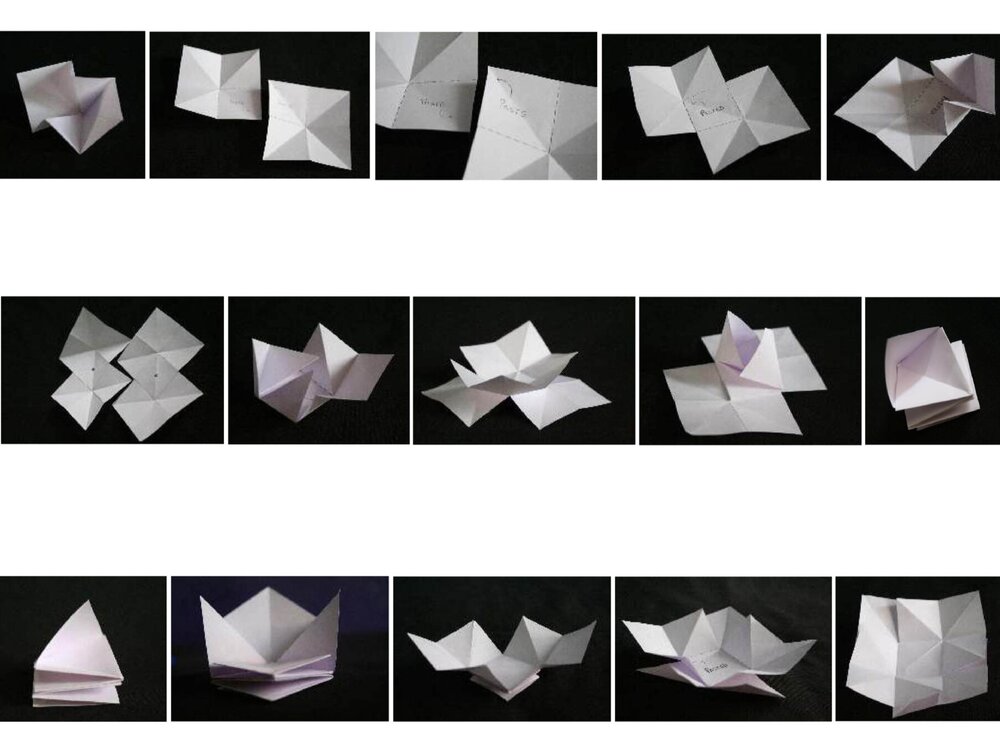
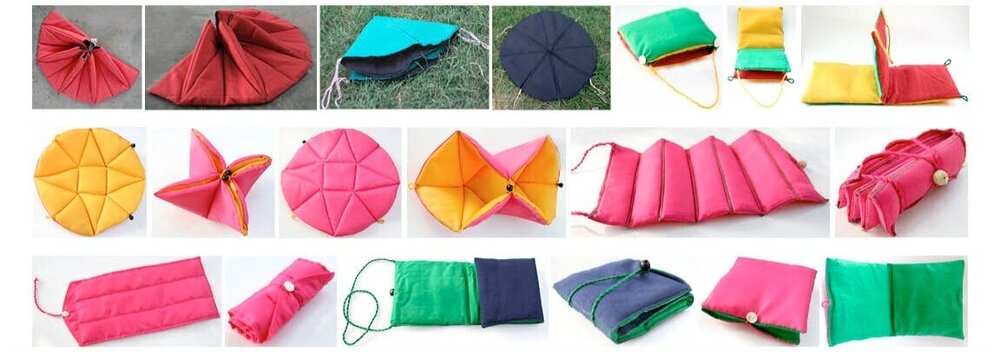
EXPLORING TECHNIQUES: ORIGAMI AND STAR BOOK
SIMPLIFYING FORM
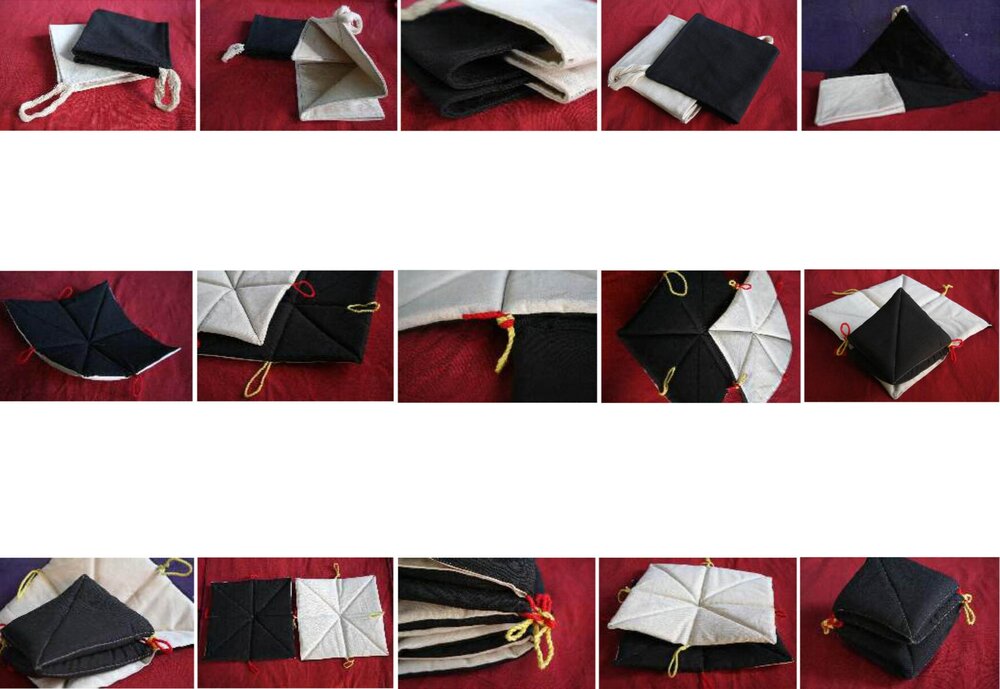
MATERIAL: CANVAS
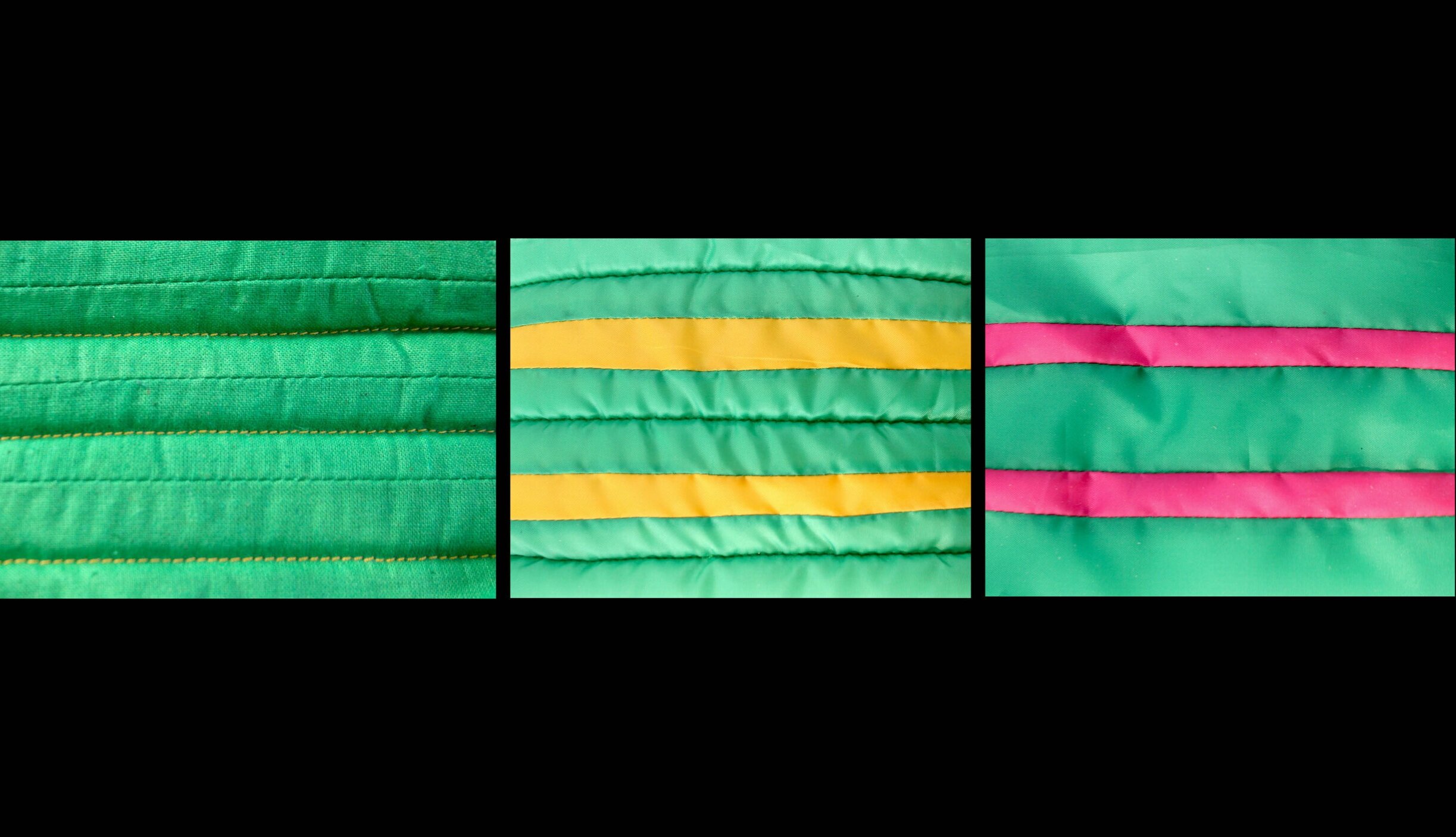
TECHNIQUE: QUILTING
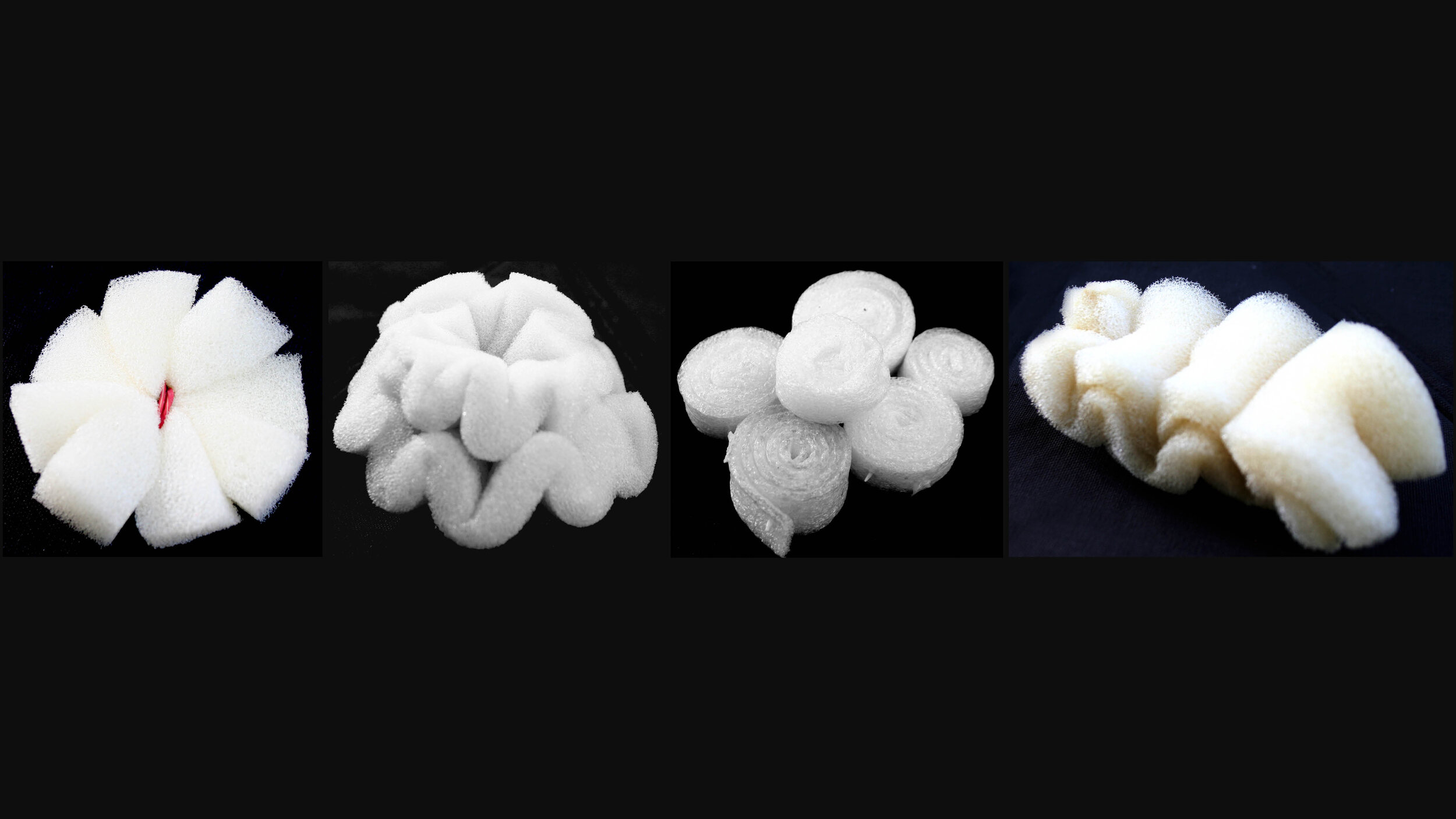
MATERIAL SURFACE EXPLORATIONS
**
**
**
**
MEASURE & TEST
FORM EXPLORATIONS
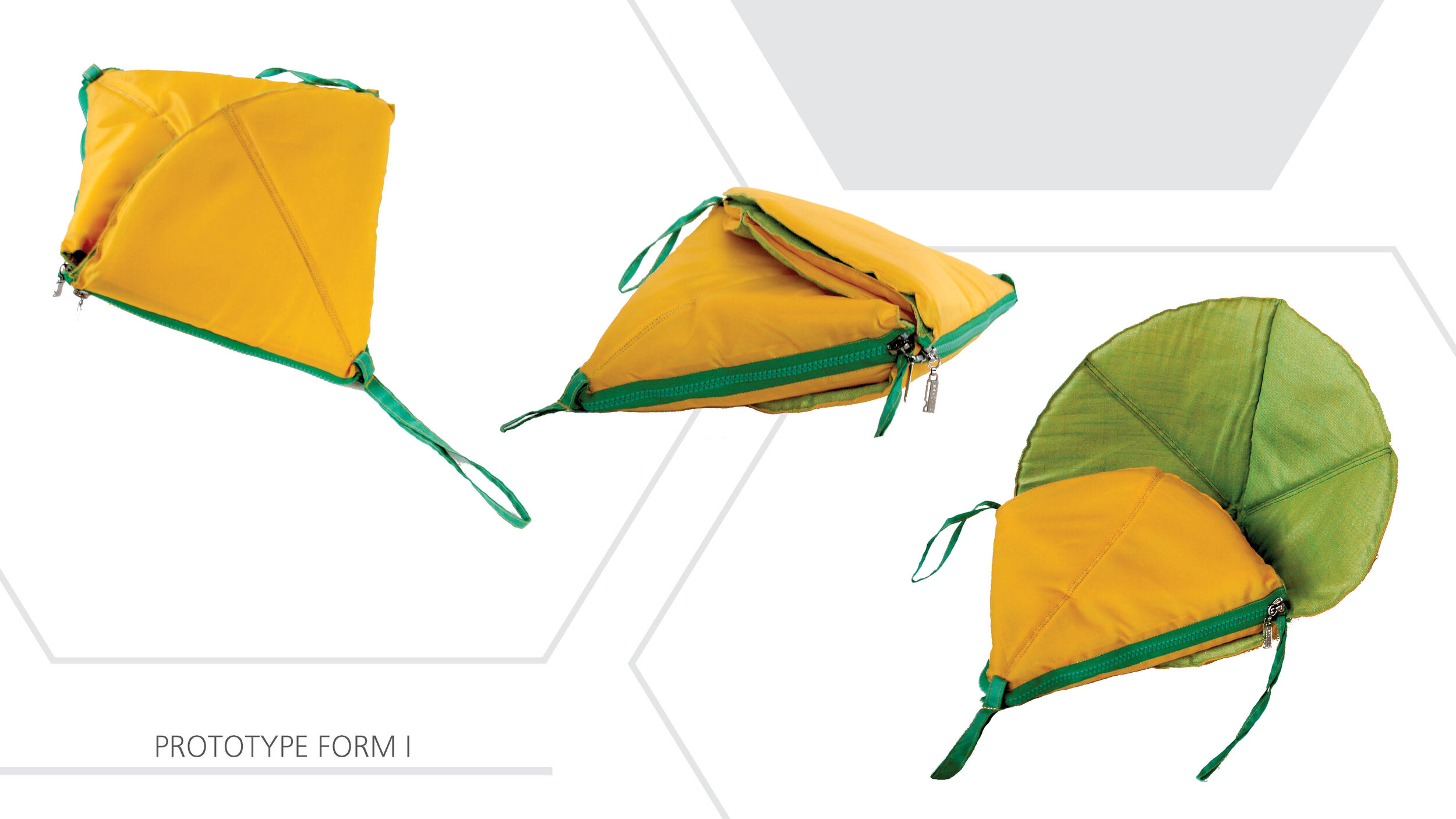
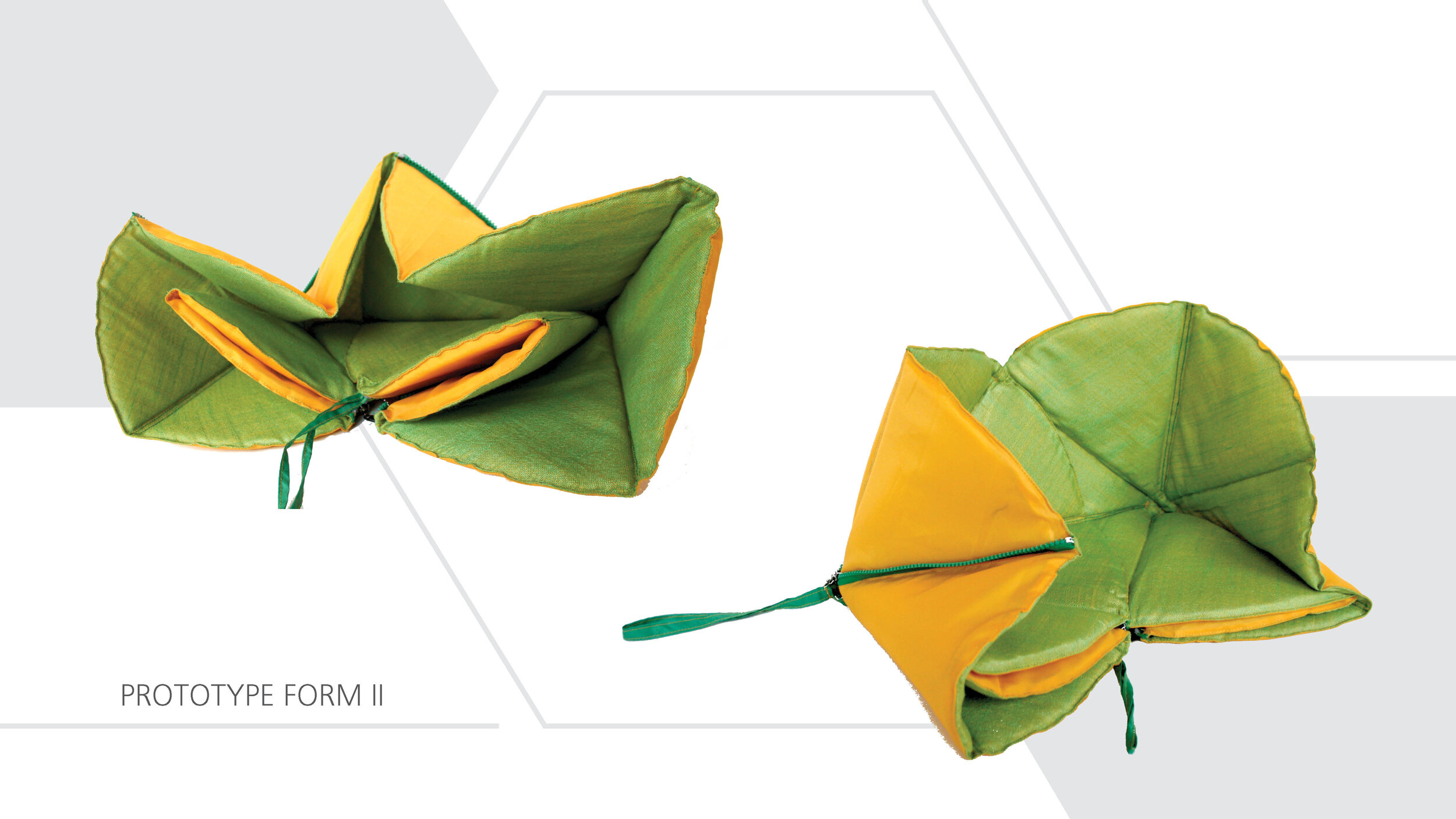
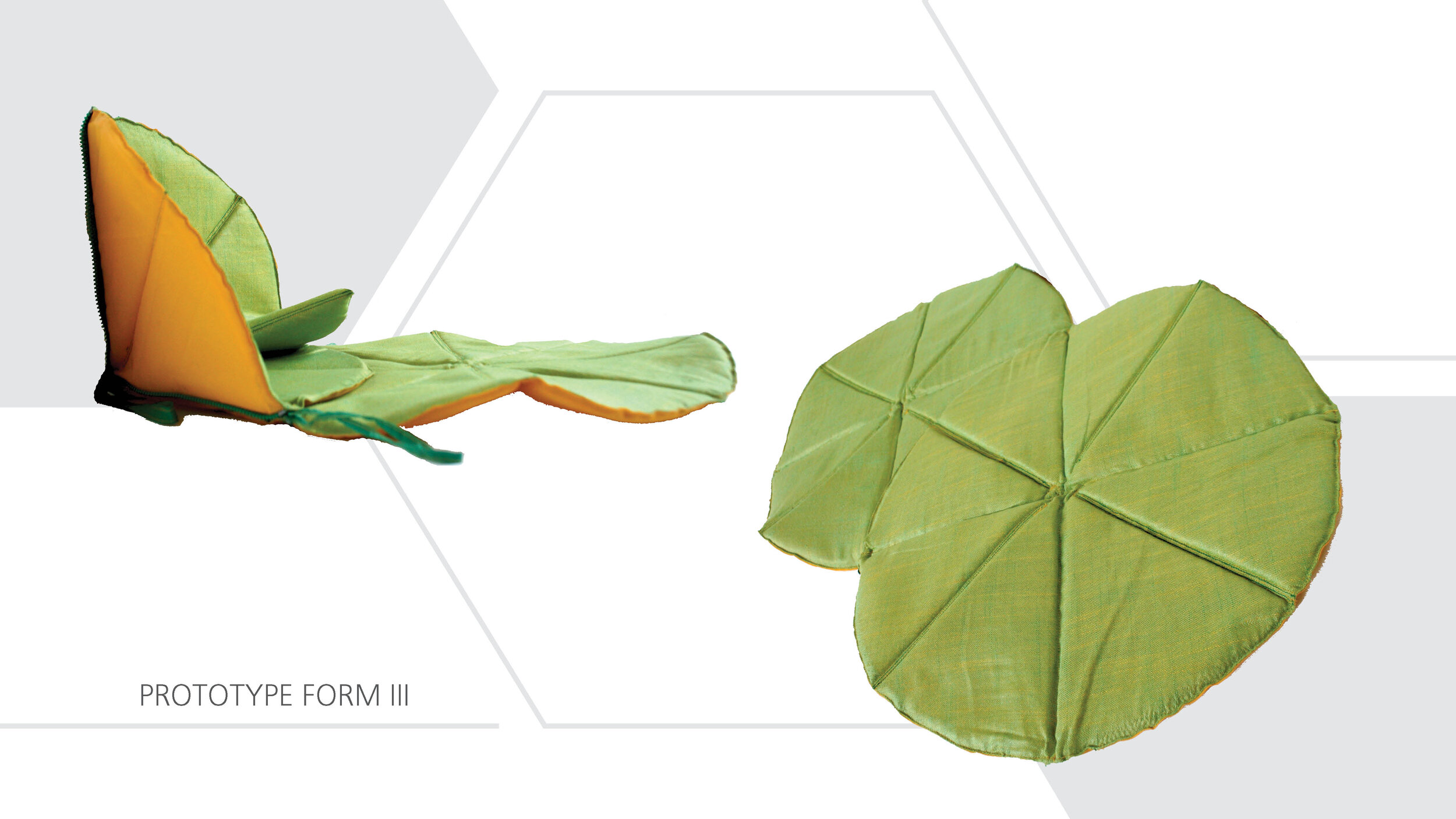
The forms are explored keeping in mind the factors of Flexibility, Portability and washability. Low density foam and light weight fabric, water proof fabrics have been quilted to achieve forms suitable for body comfort. There is also an interplay between Cotton fabrics and water proof fabrics to make it functional as well as soft at the same time. Thickness of the quilted forms has been considered for a tropical city like Ahmedabad
PROTOTYPE
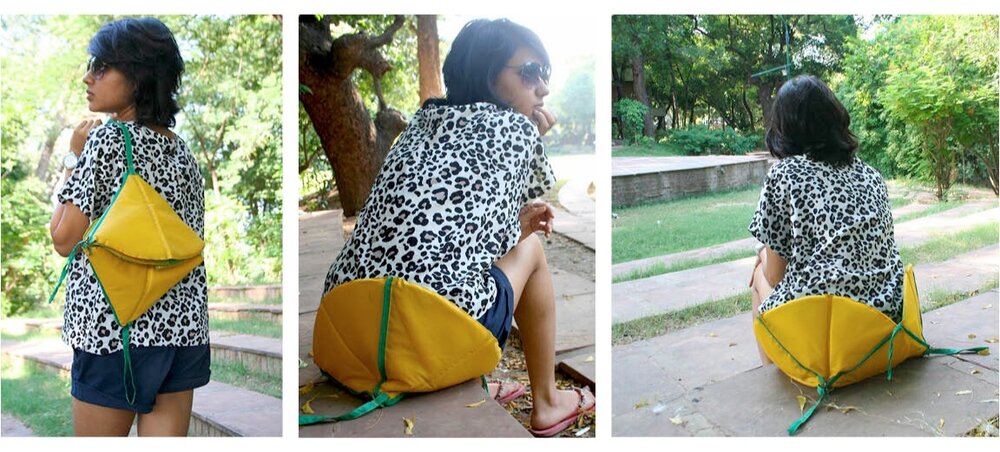
USABILITY TESTING
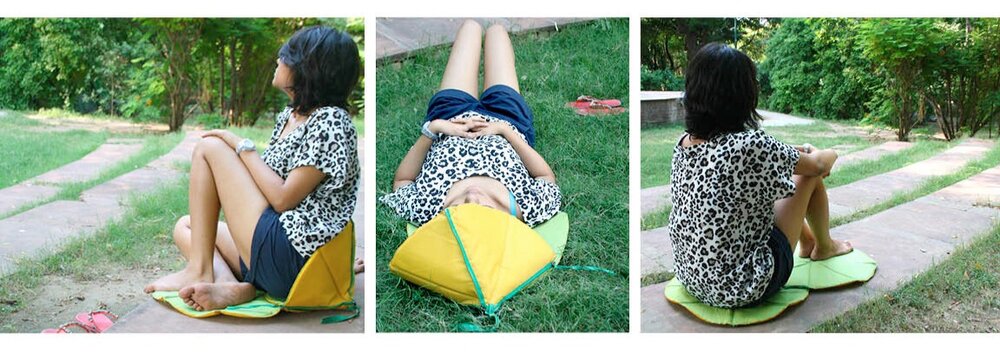
USABILITY TEST INSIGHTS
The prototype needs to scale up in order to address it to a larger set of population.
The interactive nature of the product needs to simplify in order to make it more accessible for all user groups.
The modularity could be built in as a concept to make the design more versatile.
The design could be explored in other different materials for different purposes and users.
The prototype will need more structure and strength to give support to the body